
Winter Evenings in UK Cities: A Seasonal Nightlife Guide
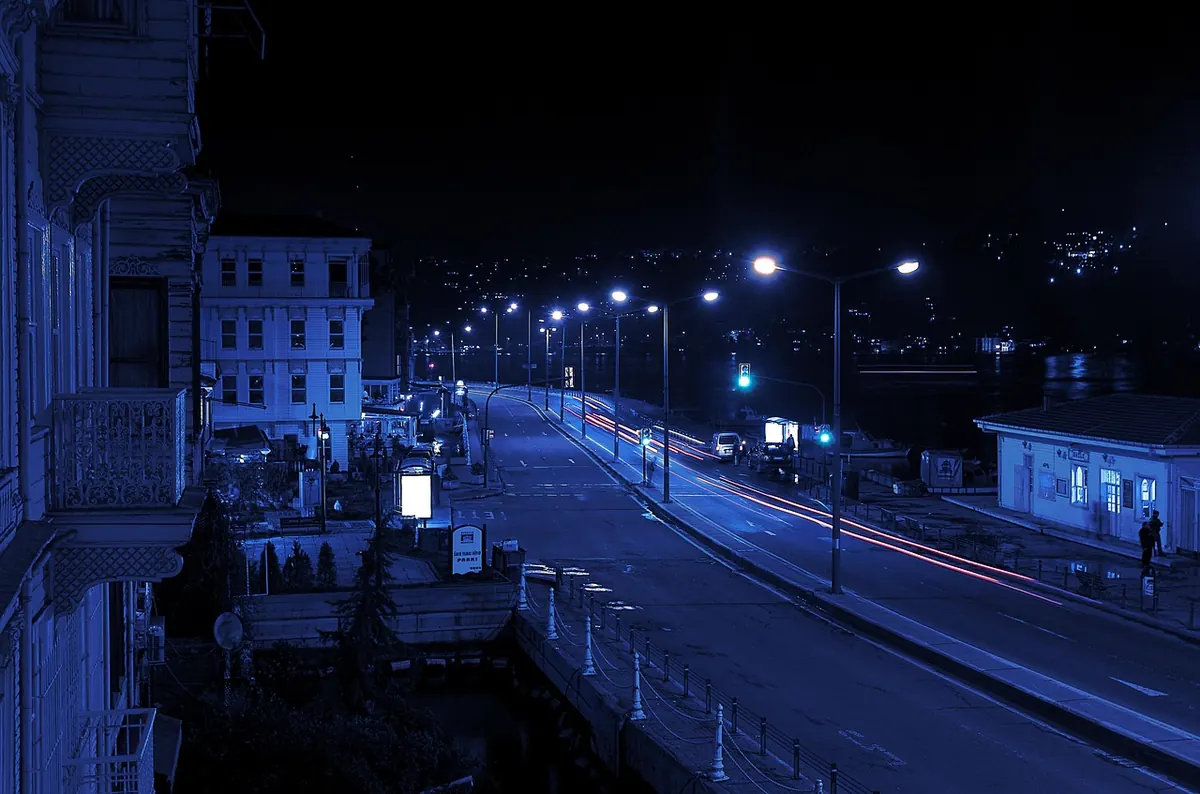
A British winter evening announces itself early. By four o'clock the light has gone flat, the buses have their interiors lit, and the pubs start to look less like places to pass and more like places to be. From November through to February, nights out in UK cities are a different species: short on pavements, long at tables, and built around warmth, food and the promise of something indoors. Here is how to make the most of them, whether you are in London, Manchester, Glasgow, Cardiff, Belfast or somewhere in between.
Start with the pub, not the plan
Most good winter nights are anchored by one pub rather than a route. Choose the pub first and let everything else arrange itself around it. Look for the things that matter in December: a real fire, low ceilings you can hear under, a corner table nobody has reserved, and staff who do not mind you staying for three hours.
Areas that reward a wander in the cold include Manchester's Northern Quarter, Bristol's King Street, Newcastle's Ouseburn, Glasgow's Ashton Lane, Belfast's Cathedral Quarter and Edinburgh's Old Town. In London, the side streets around Borough Market and the back of Fitzrovia do the same job. Avoid the obvious circuit — the pubs closest to the Christmas market are the ones that fill first and empty last.
Two practical notes. Food pubs take bookings and wet-led pubs do not, so if you want to eat, ring ahead, especially on Fridays and Saturdays in December. And a pub with a fire is worth a ten-minute walk in the rain. Check the pub's own social media before you set off; winter hours shift, and smaller places sometimes close on Mondays and Tuesdays.
Festive markets: timing is everything
Christmas markets in Birmingham, Manchester, Leeds, Edinburgh, Cardiff and Belfast are lovely with a plan and grim without one. The difference between a happy hour and a miserable one is almost entirely about when you turn up.
- Go on a weekday evening. Tuesday beats Thursday, and Thursday beats Friday by a wide margin.
- Arrive early or late. Before six or after nine. The middle of the evening is the bottleneck.
- Eat one thing properly rather than four things badly. Pick the stall with a queue of locals, not the one with the biggest sign.
- Take a card and a little cash. Some small stalls still prefer it, and signal in a crowd is unreliable.
- Wear a coat you can stand in, not one you have to hold. Gloves matter more than a hat.
- Check the closing dates. Most markets finish before Christmas; a few run into the new year.
Markets that open in mid-November are quietest in their first and last weeks. If you want a hot drink and something fried without being elbowed, that is your window.
Indoor events: gigs, comedy, cinema and late openings
Winter is when small venues come into their own. Arena shows are fine, but the rooms that make a night are the 200-capacity ones above pubs and in converted churches — the sort of places that put on touring bands on a Tuesday. Comedy clubs do the same job: a seated room, a warm drink, and two hours where nobody has to think about the weather.
Repertory and independent cinemas run winter seasons of older films and one-off screenings, and museums and galleries in most big cities hold late openings, usually one evening a week, often with a bar and a talk. Book ahead for anything in the fortnight around Christmas and New Year, when everything sells out and tickets are at their dearest. Weekday nights in January are the opposite: quiet, cheaper, and a good time to see something you would normally skip.
Further north, the season runs differently
Scotland's winter calendar carries its own weight. Hogmanay on 31 December is a national event, with street parties in Edinburgh and Glasgow and smaller, warmer gatherings in towns and villages. If you want to be in a city centre, book transport and accommodation months ahead, or stay somewhere you can walk home from.
Burns Night on 25 January keeps the season going with suppers, poetry and whisky, and it is a good excuse for a night out in the dead of January when everything else has gone quiet. In Cardiff, St David's Day on 1 March marks the far edge of winter, while Belfast's Cathedral Quarter keeps a steady programme of music and theatre through the darkest weeks. The lesson is the same everywhere north of the Midlands: winter nights get planned, not improvised.
Food that suits the dark
Winter is not the season for a cold plate. What works is food that arrives hot and takes its time: pies with proper pastry, stews, curries in the sort of restaurant where the windows steam up, ramen, and a Sunday roast eaten at seven in the evening. Many city-centre restaurants run early-evening or pre-theatre menus — a smaller, cheaper version of the same kitchen, served before the rush. If you are seeing a show, book for roughly two hours before curtain up and say so when you book.
Two nights to book ahead: anywhere near a venue on a Saturday in December, and anywhere at all on New Year's Eve. Everywhere else, walk in and take your chances. Some of the best winter meals happen in the second-choice place you found because the first was full.
The practical bit: getting home, and January
The night out ends when you get home, so sort the journey before the first drink.
- Decide your last train or bus before you go out, and check for engineering works — weekend closures are common in winter.
- Have a taxi app set up and a fallback number, and agree a meeting point in case phone signal drops.
- Keep one late-opening pub in mind as a fallback if the plan collapses.
- Check venue closing times around Christmas and New Year. Many places shut on 24, 25 and 26 December and again on 1 January.
- Take the weather seriously. Standing in a smoking area in a thin jacket at minus two is what ends most winter nights early.
January deserves a mention of its own. It is the quietest, cheapest and least crowded month of the winter for gigs, galleries and restaurants, but it is also when many small venues take their annual break, so check before crossing the city. And if you are drinking, eat properly, pace yourself and know how you are getting home. That advice holds all year; in a month when it is dark by half four, it matters rather more.
Photo: hulkiokantabak / Pixabay